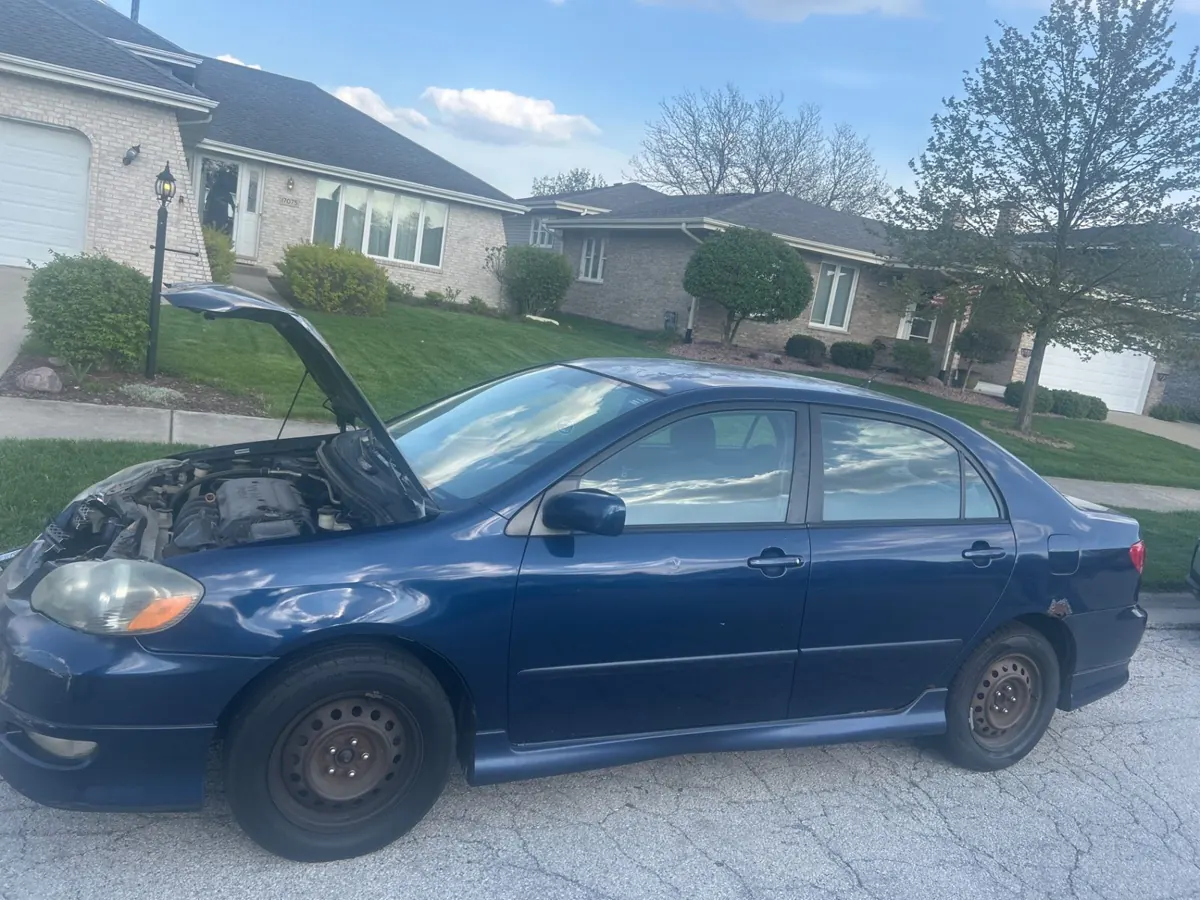
How many cars Oak Forest households keep
The numbers explain it. In the Census Bureau's 2020–2024 American Community Survey, about one Oak Forest household in five (2,143 of 10,355) kept three or more vehicles, and close to two in three kept at least two. About 77% of working residents drive to work alone (ACS table B08301, via Census Reporter), and the average commute runs about 32 minutes (Data USA).
Most of those households own their homes: over 82% are owner-occupied, and more than half of the housing was built between 1960 and 1979.
What should I do with a car that's been sitting for years?
Don't try to drive it out. Old fuel, flat-spotted tires and a dead battery can make a long-parked car unsafe to drive. Find whatever papers you have, note the year, make and model, and get an offer for it as it sits. A buyer with a tow truck doesn't need it to start, roll or pass anything.
If you'd rather revive it, price the work first. Our fix-or-junk guide walks through weighing a repair bill against what the car is worth afterward.
The quiet costs of keeping it
- The city sticker. Oak Forest asks for a current sticker on every vehicle housed in the city, renewed each July (city vehicle sticker page). A car you never drive still counts while it's parked at your address.
- Space. A garage stall or a driveway slot is worth something every snow day, when street parking disappears (see winter pickups).
- The rules for idle cars. The city code has a section on abandoned vehicles that can apply to a car left sitting at a home. Where to read it is on our page about keeping an unused car in Oak Forest.
- Insurance and plates that keep renewing for a car that goes nowhere.
Parents' cars, estate cars and the car you moved here with
About one Oak Forest resident in six is 65 or older. If a parent has stopped driving, their car may still be parked at the house. Seniors 65+ can get up to two free city stickers per household for cars in their name, so a parked car may not cost them much, but it still needs a plan eventually.
New arrivals have a deadline instead: the city expects new residents to register their vehicles within 30 days of moving in. If one of the cars you brought is a non-runner you'd already decided to get rid of, selling it before that window closes saves registering a car you don't want.
Paperwork for a car in a parent's or a late relative's name can be different from a car in your own name. Tell us whose name is on the title and what you have; Illinois rules decide which papers work for a scrap sale, and we confirm on the call. More on that in titles and papers.
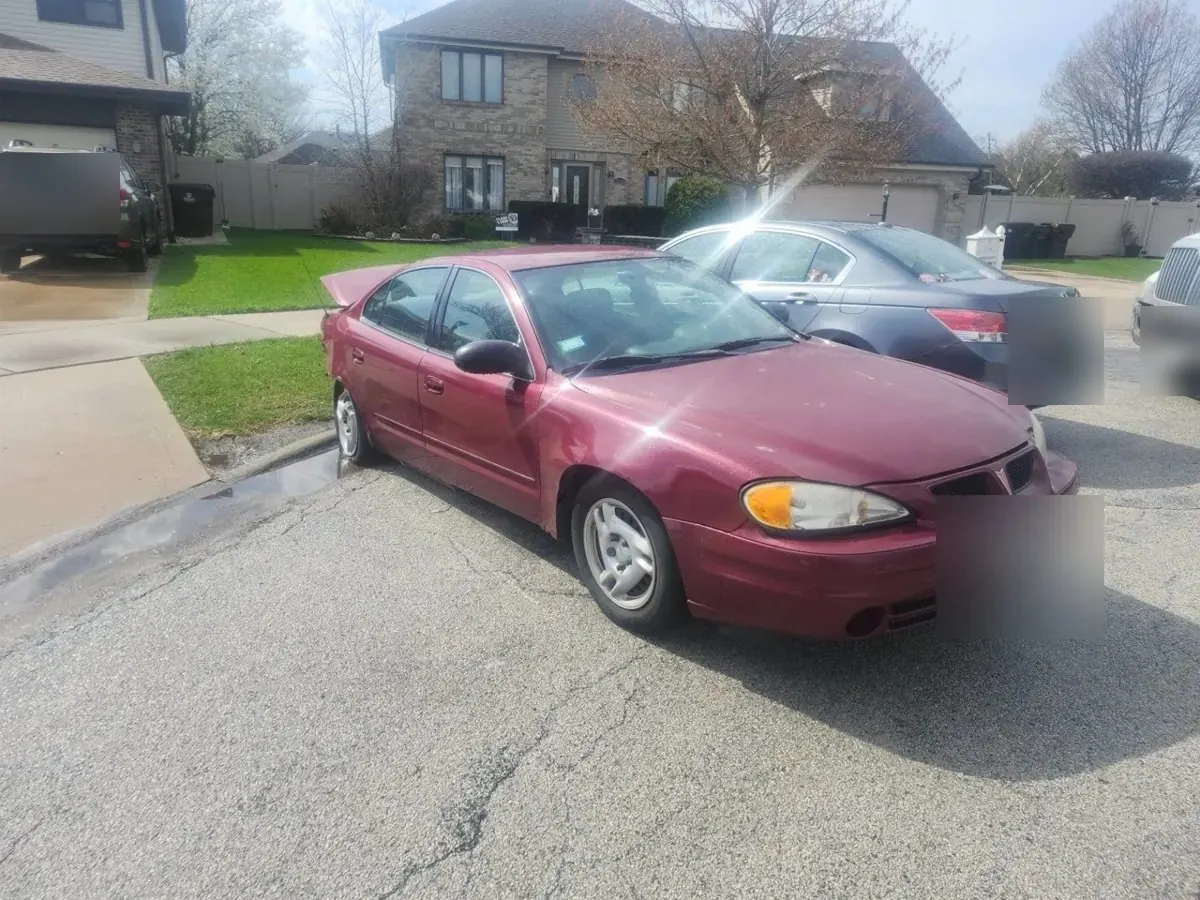
Selling it as it is
You don't have to clean it, jump it, or air up the tires. We ask a few questions, give an offer, and when you accept, a truck comes to the driveway, garage or lot. Towing is free and nothing is taken off the offer for it. You're paid at pickup, and if a second idle car is sitting beside it, the same visit can take both. To see what shapes the number, read what decides a junk car offer.
If you've decided it goes, our Oak Forest junk car buying page covers pickup and payment in one place, and the city rules for an idle car explain what happens if it stays another season.
Where these facts come from
- U.S. Census Bureau, American Community Survey 2020–2024, table B25044 (vehicles per household)
- U.S. Census Bureau, American Community Survey 2020–2024, table B08301 (means of travel to work), via Census Reporter
- City of Oak Forest: Vehicle Stickers
- Data USA: Oak Forest, IL (average commute)